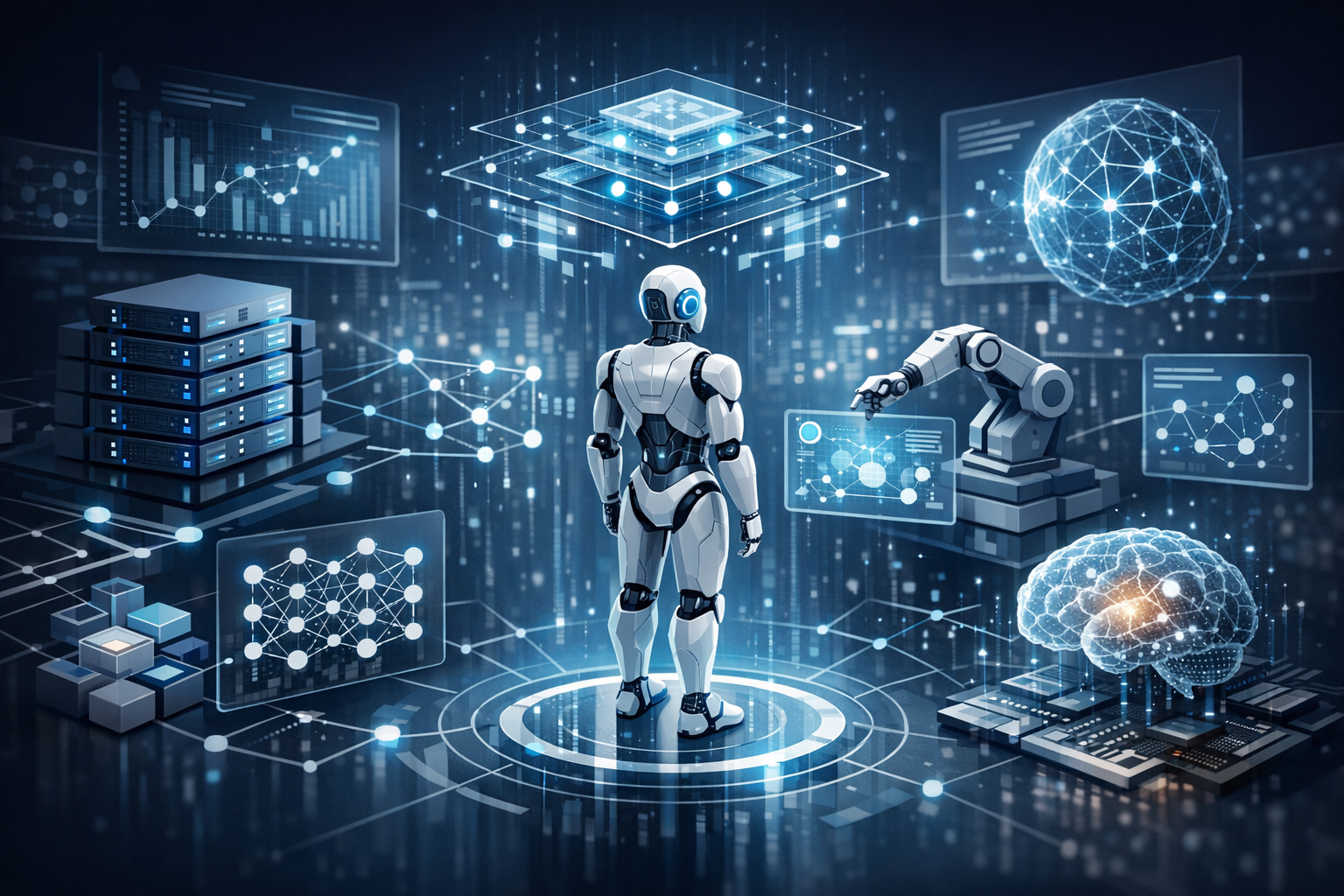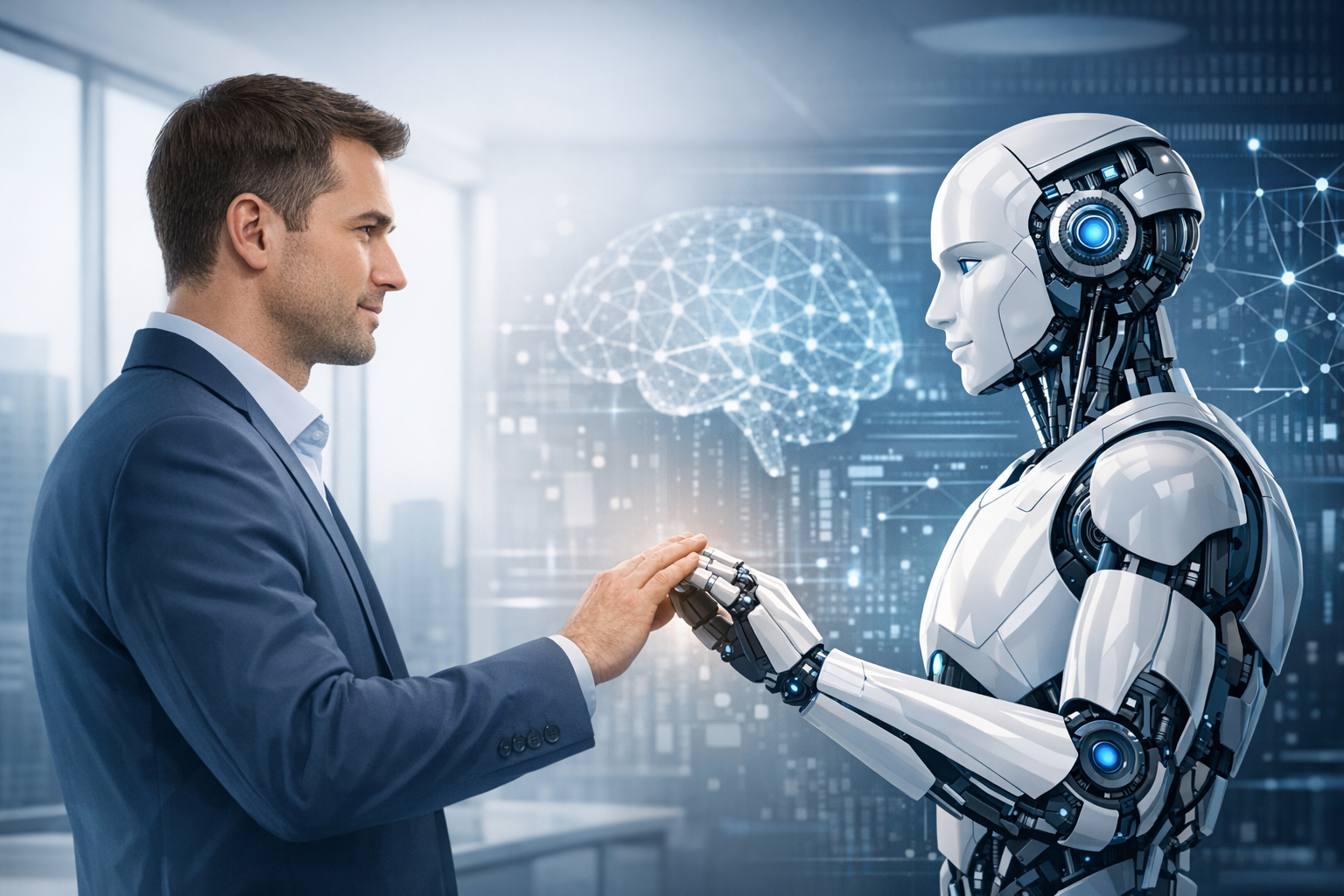
In recent years, artificial intelligence (AI) has made significant strides, revolutionizing industries from healthcare to finance. Despite these advancements, the question arises: do we still need humans in a world where machines can learn and adapt? The answer is a resounding yes. Humans play a crucial role in developing, implementing, and refining AI technologies. Here are several reasons why AI still needs humans:
1. Ethical Decision-Making
One of the most significant concerns with AI is its potential to make decisions that are ethically questionable. Machines operate based on data and algorithms, but they lack the moral compass that humans possess. Ethical dilemmas often require a nuanced understanding that AI cannot achieve on its own. For instance, in autonomous vehicles, a machine might face decisions in accident scenarios that impact human lives. It is essential for humans to guide AI development by embedding ethical guidelines and frameworks into these systems.
Current trends in AI ethics stress the importance of human oversight in algorithmic decision-making. Initiatives like AI ethics boards, which include ethicists, sociologists, and technologists, are becoming standard practice among leading tech companies. This highlights the non-replaceable role of humans in overseeing AI ethics and ensuring technologies align with societal values.
2. Contextual Understanding
AI excels at processing vast amounts of data and recognizing patterns. However, it often struggles with understanding context that is inherently human. Context involves cultural nuances, emotional intelligence, and situational awareness—areas where human judgement is essential. For instance, customer service bots can handle routine queries, but complex customer interactions that require emotional engagement and problem-solving are best managed by humans.
Furthermore, as we trend towards hyper-personalization in consumer services, the need for human intervention to interpret diverse and dynamic customer preferences becomes increasingly important. Businesses employing AI technologies must ensure a seamless interaction between human agents and AI systems to enhance customer experiences effectively.
3. Creativity and Innovation
AI can analyze data and generate insights, but creativity and innovation remain firmly in the human domain. Creative thinking requires intuition, abstract reasoning, and an understanding of human emotions—qualities that AI lacks. Industries such as art, music, and literature thrive on human creativity, often using AI as a tool to augment and not replace human ingenuity.
In the realm of innovation, humans identify new problems and conceptualize imaginative solutions, which machines then help refine and execute. This symbiotic relationship showcases why humans are irreplaceable in driving innovation forward.
4. Managing Unforeseen Situations
AI systems are designed to handle expected patterns and data, but they can falter in unforeseen situations. Humans are adaptable and can make decisions based on limited or rapidly changing information. For instance, in disaster response scenarios where conditions are unpredictable, human intervention is critical to adapt strategies on the fly.
The recent trend in AI systems includes developing more adaptive technologies; however, these systems still benefit greatly from human oversight. Engineers and operators equipped with a deep understanding of the systems can address anomalies and recalibrate operations, ensuring resilience and reliability.
5. Trust and Transparency
Trust is paramount in the successful adoption of AI technologies. People are more likely to trust systems that they understand and can interact with transparently. While AI can offer transparent operations through explainable AI models, it is humans who interpret these models and convey them to the end-users, ensuring clarity and understanding.
Moreover, human involvement in AI fosters greater transparency in data collection and processing practices. Organizations are increasingly focusing on building transparent AI systems to gain public trust, highlighting the ongoing need for human oversight in AI governance.
Conclusion
AI continues to transform our world at an unprecedented pace, but the need for humans remains undeniable. From ethical decision-making to managing unforeseen circumstances and fostering trust, humans play an integral role in guiding AI's development and integration into society. As AI technologies advance, it is crucial to maintain a balanced partnership between humans and machines, leveraging the strengths of both to solve complex problems and create a better future.
As we look to the horizon, one thing is clear: the collaboration between human intelligence and artificial intelligence holds the key to unlocking new possibilities across industries. Humans will continue to lead the way, steering AI towards applications that respect ethical standards, emphasize contextual understanding, and embrace the essence of creativity and innovation.