Model Context Protocol, better known as MCP, is quickly becoming one of the most important pieces of the AI stack. As businesses move from simple chatbots to real AI agents, MCP is helping solve a big problem: how do AI tools safely connect to apps, files, databases, and business systems?
In the second half of 2026, the most exciting MCP use cases are less about demos and more about real work. Teams want AI that can take action, understand context, and fit into existing workflows without creating a security mess.
Here are the top MCP use cases to watch.
1. Enterprise AI Agents That Actually Get Work Done
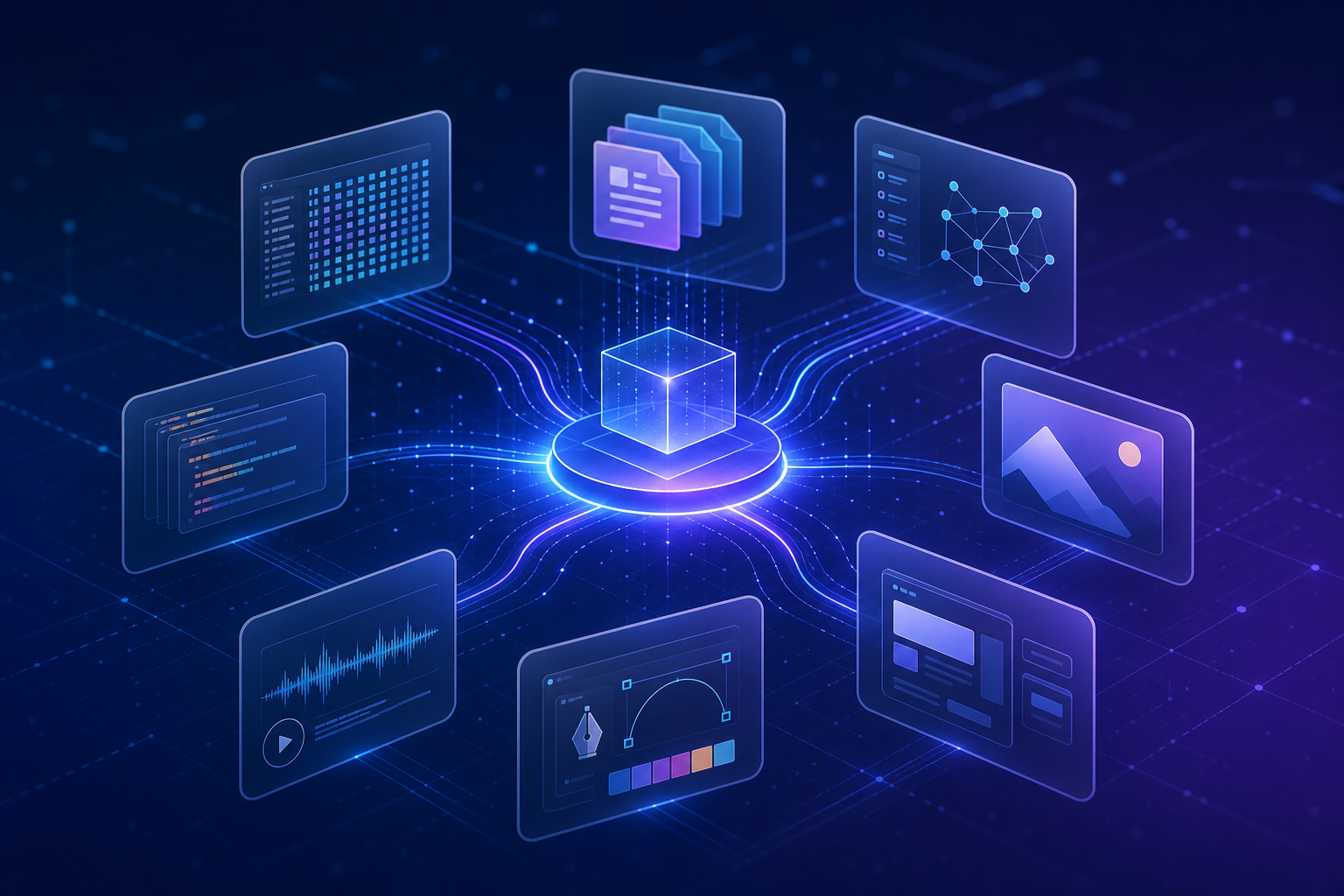
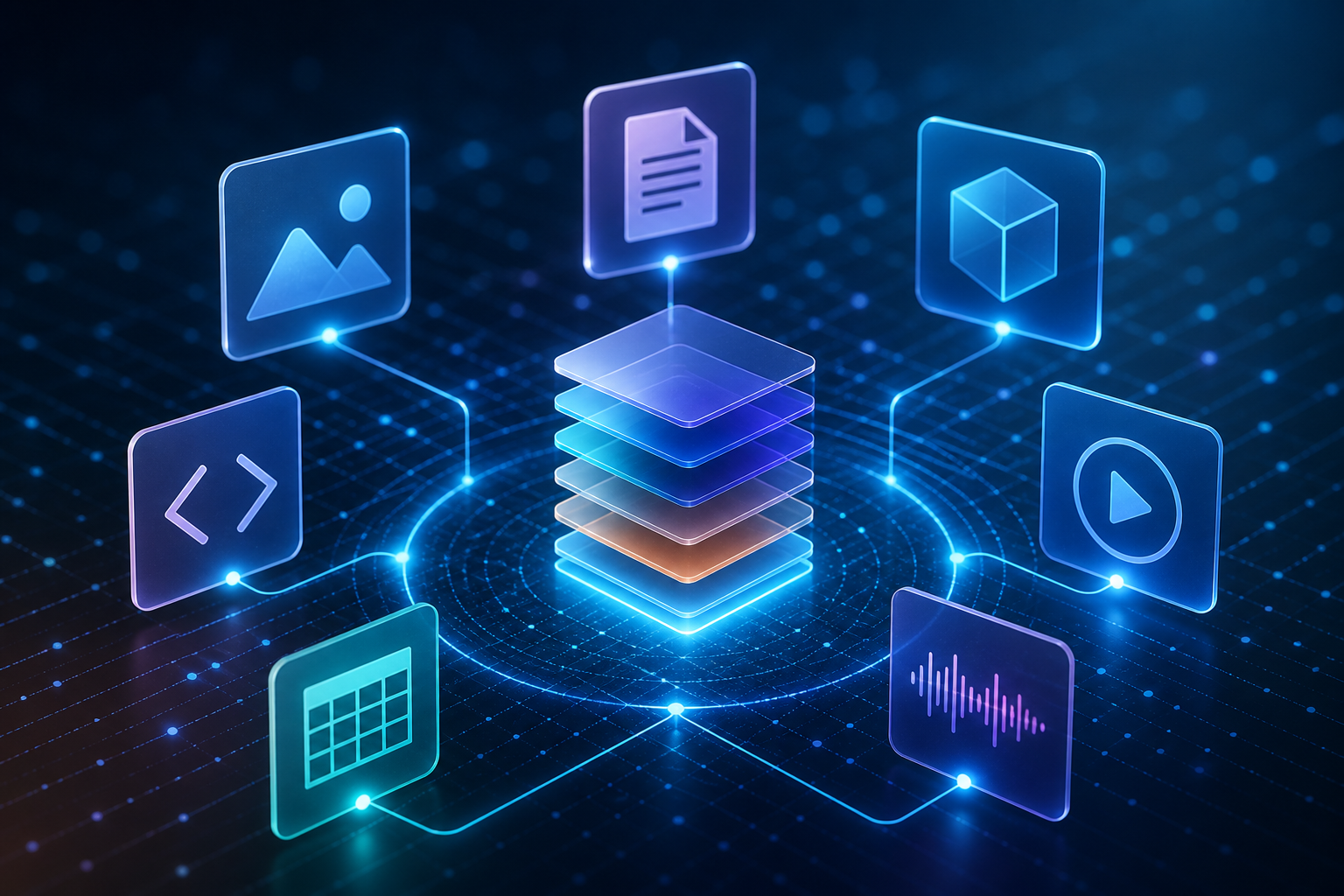
AI agents are one of the biggest trends in 2026, but they need access to the right tools to be useful. MCP gives agents a standard way to connect with systems like CRMs, project management platforms, ticketing tools, document stores, and internal databases.
Instead of building a custom integration for every tool, companies can use MCP servers to expose approved actions and data. This makes agents more reliable and easier to manage.
Expect more businesses to use MCP for tasks like:
- Updating CRM records
- Creating reports
- Summarizing internal documents
- Scheduling follow-ups
- Managing support tickets
- Pulling data from multiple systems
2. Secure Access to Company Data
One of the biggest blockers for AI adoption is data security. Companies want AI assistants to use internal knowledge, but they do not want sensitive information leaking into the wrong place.
MCP can help by creating controlled gateways between AI models and business data. Instead of giving a model broad access, MCP servers can define exactly what data is available, what actions are allowed, and how requests are logged.
This will be especially important in regulated industries like finance, healthcare, insurance, and legal services.
3. Better Developer Workflows
Developers were among the first groups to see the value of MCP. In late 2026, expect more coding assistants to use MCP to connect with repositories, documentation, CI/CD tools, issue trackers, and observability platforms.
This can make AI coding tools more context-aware. For example, an assistant could review an open bug, inspect recent commits, check logs, and suggest a fix based on the actual codebase.
That is a big step beyond basic code completion.
4. Customer Support Automation
Customer support is another strong MCP use case. AI support agents often fail when they cannot access order history, account details, product documentation, or ticket status.
With MCP, support AI can connect to approved systems and deliver more helpful answers. It can look up a customer record, summarize previous conversations, suggest next steps, or escalate a case with the right context.
The key trend here is not replacing human agents completely. It is giving them faster access to better information.
5. Multi-Tool Business Automation
Many business processes are spread across several apps. A simple employee onboarding workflow might touch HR software, payroll, IT, Slack, email, and project management tools.
MCP makes it easier for AI agents to coordinate these steps across platforms. In the second half of 2026, watch for more companies using MCP to automate repeatable workflows without rebuilding their entire tech stack.
6. AI Governance and Audit Trails
As AI becomes more active inside companies, leaders need visibility. Who asked the AI to do something? What system did it access? What action did it take?
MCP can support stronger governance by making tool access more structured and auditable. This matters as companies face growing pressure to prove AI systems are safe, compliant, and accountable.
Final Thoughts
The biggest MCP trend for late 2026 is practical adoption. Businesses are no longer just asking, “What can AI say?” They are asking, “What can AI safely do?”
That shift makes MCP a key technology to watch. From enterprise AI agents to secure data access and workflow automation, MCP use cases are moving from experimental to essential.