API vs MCP: What’s the Difference and Why It Matters
If you build software, work with AI tools, or manage digital products, you’ve probably heard both API and MCP mentioned in the same conversation. They sound similar, but they solve different problems. Understanding the difference can help you make smarter choices when connecting apps, automating workflows, or building AI-powered systems.
What is an API?
An API or Application Programming Interface is a set of rules that lets one software application talk to another. It is the backbone of modern digital integration. APIs power everything from payment systems and weather apps to social media logins and enterprise dashboards.
Think of an API like a menu at a restaurant. It tells you what is available and how to request it. Your app sends a request, the API processes it, and then returns the data or action result.
APIs are widely used because they are:
- reliable
- flexible
- easy to connect across platforms
- essential for custom software development
What is MCP?
MCP stands for Model Context Protocol. It is a newer standard designed to help AI models connect to tools, data sources, and services in a more structured way. Instead of asking developers to build one-off integrations for every AI system, MCP aims to create a common protocol for AI assistants to access context safely and consistently.
In simple terms, MCP helps AI models understand:
- what tools are available
- what data they can access
- how to use those tools correctly
This matters a lot as AI assistants become more capable. In 2025 and 2026, a major trend in the AI space has been the move toward tool-connected agents that can search documents, query databases, trigger workflows, and act more independently. MCP fits directly into that trend.
API vs MCP: The Core Difference
The biggest difference is purpose.
An API is a general interface for software-to-software communication. It is used in thousands of use cases, from mobile apps to cloud systems.
An MCP is specifically built to standardize how AI models connect with external tools and context.
Here’s a simple way to think about it:
- API: helps applications exchange data and perform actions
- MCP: helps AI systems discover and use those APIs in a structured, model-friendly way
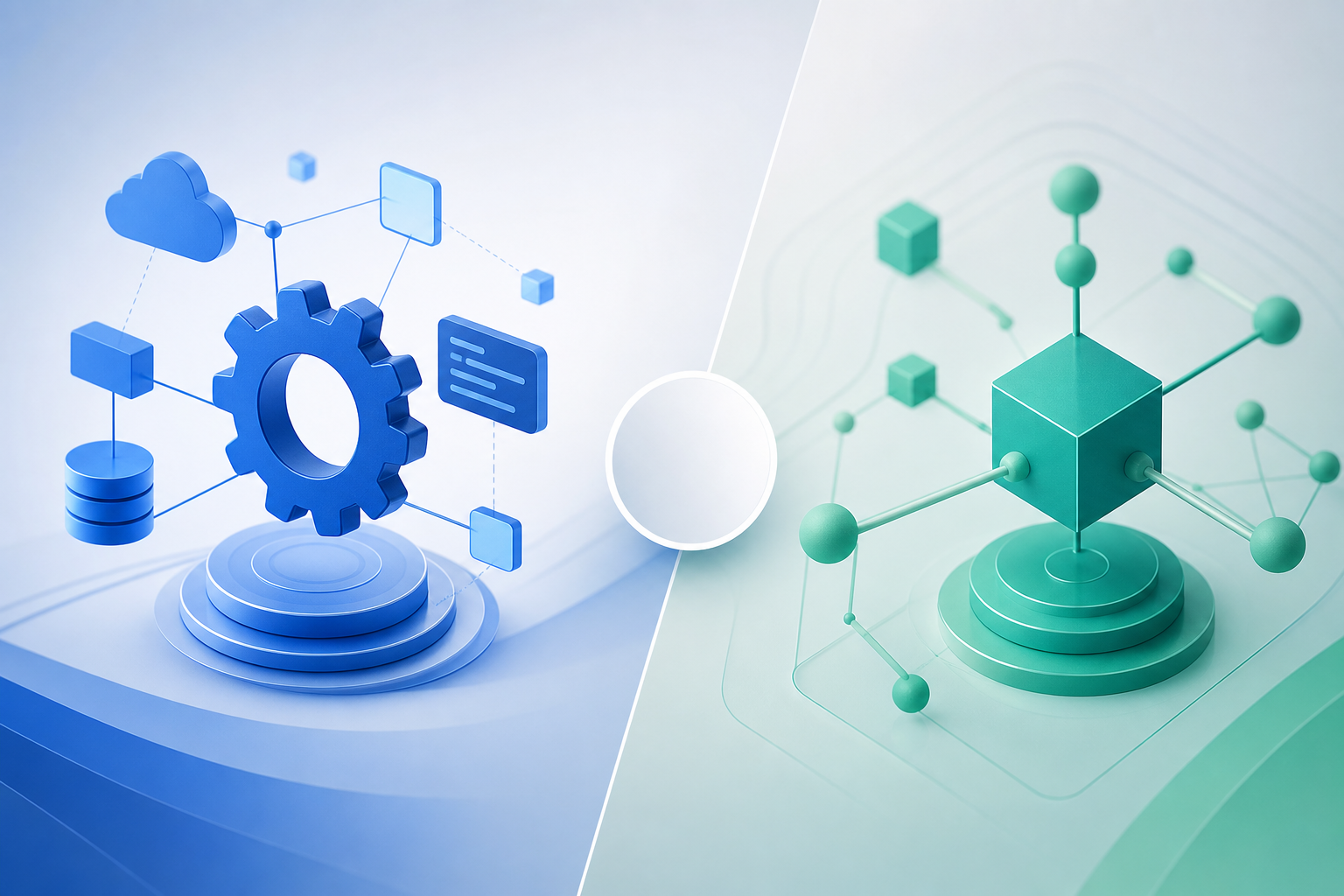
So MCP does not replace APIs. Instead, it sits on top of them or works alongside them. In many real-world setups, APIs remain the engine, while MCP becomes the layer that makes those tools easier for AI to use.
Why MCP Is Getting Attention Now
The rise of generative AI has changed how businesses think about integration. Instead of building separate bots for every task, teams want AI systems that can securely access calendars, CRMs, internal docs, and analytics tools.
That is why MCP has become a hot topic in product and engineering circles. It supports the growing demand for:
- AI copilots
- multi-tool agents
- enterprise knowledge retrieval
- standardized AI workflows
As more companies adopt AI into customer service, operations, and software development, the need for consistent protocol-based connections is growing fast.
Which One Should You Use?
If you are building traditional software integrations, an API is still the standard choice. If you are building AI experiences that need to interact with multiple tools and data sources, MCP may offer a cleaner and more scalable approach.
In many cases, the answer is both. You expose your services through APIs, then make them available to AI systems through MCP.
Final Thoughts
The API vs MCP conversation is not really about choosing one forever. It is about understanding how they work together in a world where AI is becoming a core part of software. APIs remain essential, but MCP is emerging as an important bridge between AI models and the tools they need.
If your business is planning for the future, learning both is a smart move.