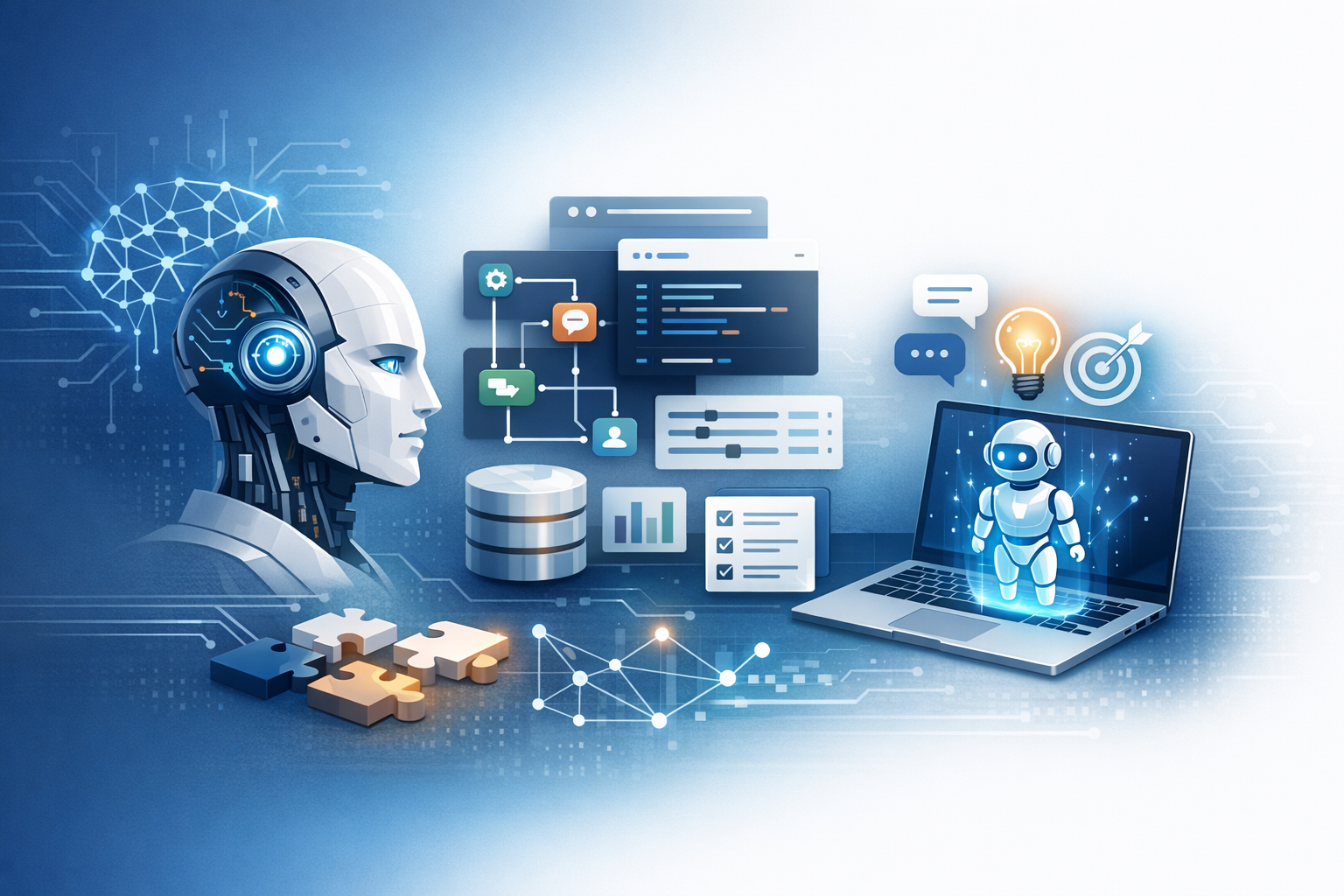
In today's rapidly evolving technological landscape, artificial intelligence (AI) continues to reshape industries by enhancing efficiency and automating complex processes.
One of the key innovations in the AI realm is the development and deployment of AI agents equipped with diverse skills. Building and setting up an AI agent skill library can significantly boost your organization's AI capabilities, enabling you to manage tasks more efficiently and cater to specific business needs. This article explores practical steps to create an AI agent skill library, enriched with current trends, insights, and tips for a successful implementation.
Understanding AI Agent Skill Libraries
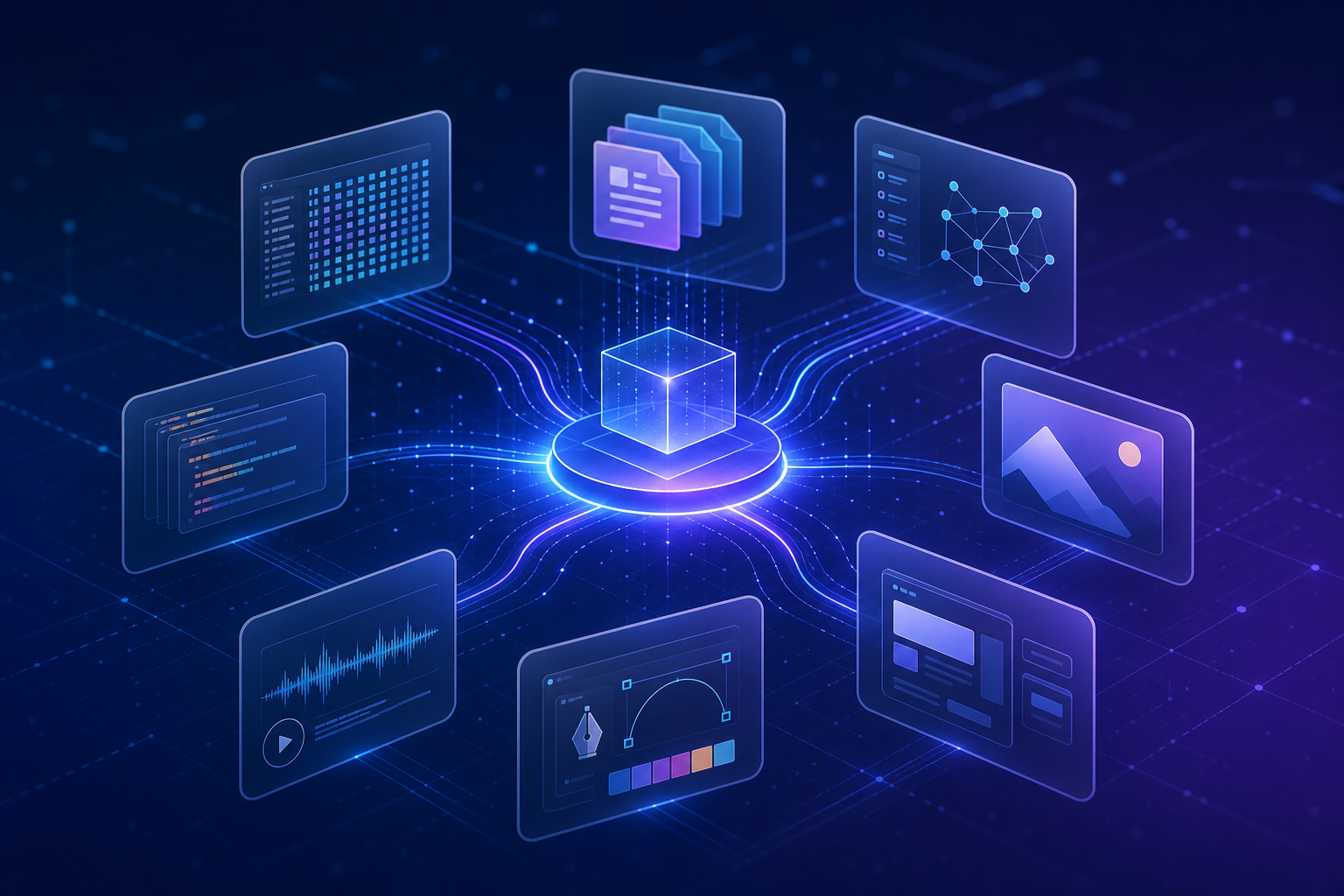
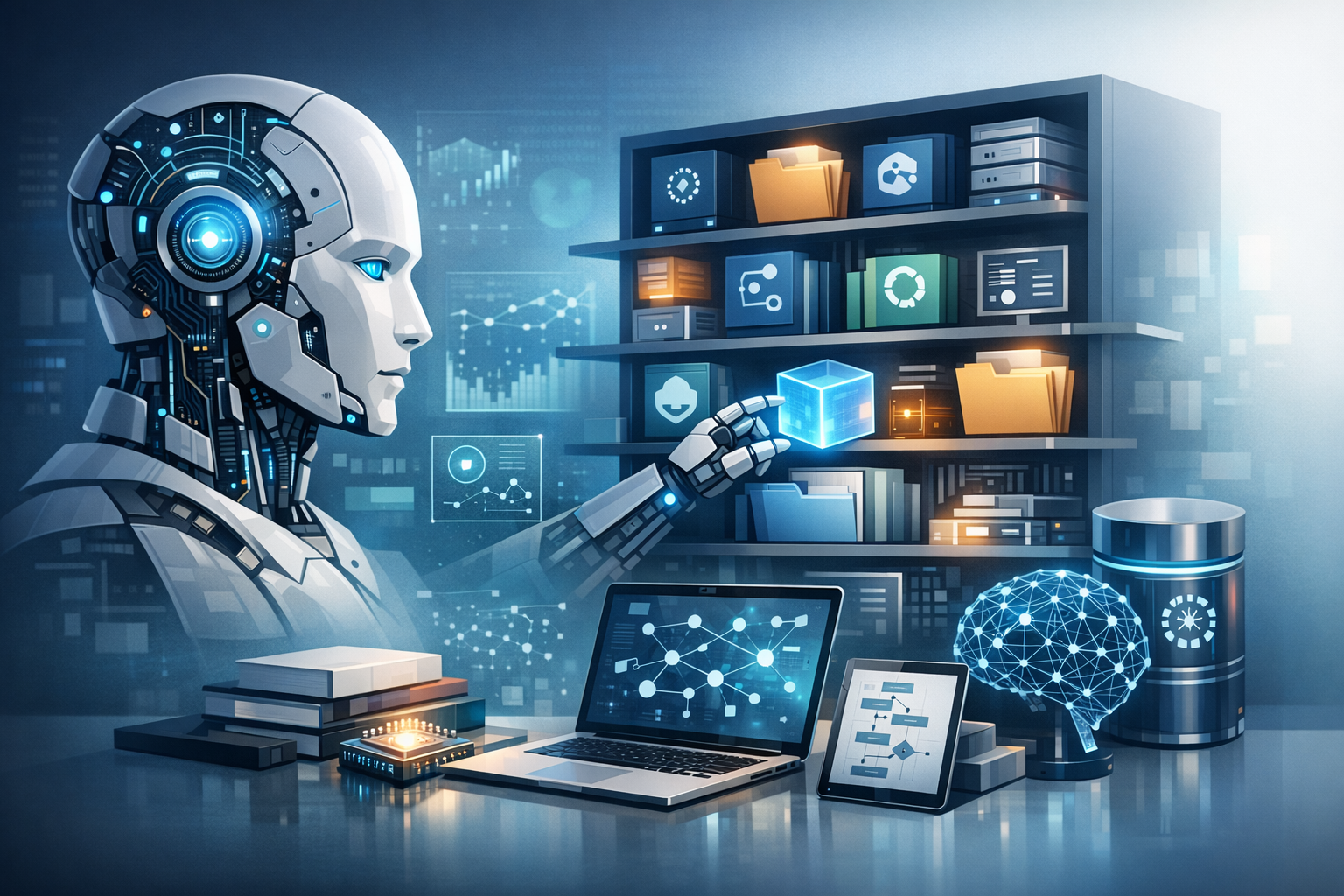
Before diving into the setup process, it's crucial to grasp what an AI agent skill library entails. An AI agent skill library is a structured repository where different skills (or capabilities) required by AI agents are stored. These skills can range from image recognition and natural language processing to specific business functionalities like customer service automation or predictive maintenance.
By organizing skills into a library, businesses can reuse, maintain, and scale their AI deployments more effectively. With the recent surge in AI democratization and the increased availability of no-code AI platforms, creating a skill library has become feasible for businesses of all sizes.
Step-by-Step Guide to Building Your AI Agent Skill Library
Step 1: Define Your Objectives and Use Cases
Start by identifying the primary objectives behind setting up your skill library. Do you aim to automate customer interactions, enhance data analysis capabilities, or improve operational efficiency? Clearly defining your objectives helps in determining the skills your library should contain.
Step 2: Curate and Catalog Skills
Skill curation involves gathering the various AI capabilities your organization might need. This can include:
- Natural Language Processing (NLP) for understanding and responding to human language.
- Image Recognition for analyzing visual data inputs like photos and videos.
- Predictive Analytics for forecasting trends based on historical data.
Once identified, categorize these skills based on their functions or applications. Use a modular approach, so each skill can be individually updated or replaced without disrupting the entire system.
Step 3: Choose the Right Tools and Platforms
Selecting the appropriate tools and platforms is critical for building a flexible and scalable skill library. Platforms such as TensorFlow, PyTorch, and Google Cloud AI provide robust frameworks for developing AI skills. Consider factors like ease of integration, community support, and cost-effectiveness when selecting your tools.
Recent insights indicate a shift towards hybrid and cloud-based solutions, which offer greater flexibility and remote accessibility. Keep these trends in mind to future-proof your skill library.
Step 4: Implement Standardization
Standardization is key to ensuring that your skills can be reused and maintained without issues. Develop standardized templates and APIs (Application Programming Interfaces) for all the skills in your library. This promotes consistency and facilitates smooth communication between different AI agents and systems.
Moreover, standardization helps in keeping skills updated across various platforms, aligning with common trends such as API-centric development approaches in AI.
Step 5: Establish a Testing Environment
Before deploying skills into real-world scenarios, establish a robust testing environment. This sandbox should mirror your operational conditions to identify issues before they can affect your operations. Testing should include both functional testing of each skill and integration testing to check how well skills interact within the broader system.
The growing emphasis on AI safety and reliability makes comprehensive testing a non-negotiable priority. Incorporating tools for automated testing can enhance the efficiency and accuracy of this phase.
Step 6: Deploy and Monitor
After successful testing, deploy your skills into the production environment. Initial deployments should be monitored closely to track performance and identify any shortcomings. Utilize performance analytics tools to gather data on how well the skills are fulfilling their intended roles.
Continuous monitoring also feeds into iterative improvements—an enduring trend in AI development that emphasizes the adaptation of models to ever-changing data environments.
Step 7: Maintain and Update
An effective skill library is not a one-and-done affair. Regular updates and maintenance are crucial to keep up with technological advancements and changing business requirements. Establish a schedule for revisiting skills to refine capabilities, address bugs, or integrate new technological developments.
In the current competitive landscape, staying updated with AI advancements through community forums, research papers, and AI tool updates can offer significant advantages.
The Benefits of a Well-Structured AI Agent Skill Library
Enhanced Efficiency and Scalability
A centralized skill library enhances operational efficiency and enables rapid scaling by allowing businesses to deploy AI capabilities across different operations without starting from scratch. This modularity is particularly advantageous in sectors like healthcare and finance, where agility and precision are paramount.
Cost-Effectiveness
By reusing existing skills, companies can cut down on the costs associated with developing solutions from the ground up. This reduction in redundancy aligns with the increasing demand for cost-effective AI solutions in small to mid-sized enterprises.
Improved Accuracy and Consistency
Standardized skills that have been rigorously tested can improve the accuracy and consistency of AI agents' performance. Consistent deployment also minimizes errors, thereby enhancing the user experience in customer-centric applications.
Key Considerations
As you embark on building an AI agent skill library, consider these critical elements:
-
Data Privacy and Ethics: Ensure that your skills comply with data protection laws and ethical guidelines. As AI's role in handling sensitive data grows, so does scrutiny over ethical AI deployments.
-
User-Centric Design: Adopt design principles that prioritize the end user's experience. This reflects a broader industry trend towards user-focused AI, where accessibility and usability take center stage.
-
Scalability: Build with scalability in mind to accommodate future expansions, keeping abreast of the latest in AI scalability technologies.
Conclusion
Developing an AI agent skill library is an impactful way to enhance your organization's AI capabilities, allowing for greater flexibility, cost savings, and efficiency. By following these practical steps—from defining objectives to long-term maintenance—you position your business not just to harness current AI technologies, but to adapt and thrive with the innovations of tomorrow. As AI continues to advance, staying engaged with current trends and insights will ensure your skill library remains a valuable asset in the competitive business landscape.
By aligning your library with the latest AI advancements and maintaining it as a living, evolving resource, you can drive significant improvements in both performance and results across diverse applications.