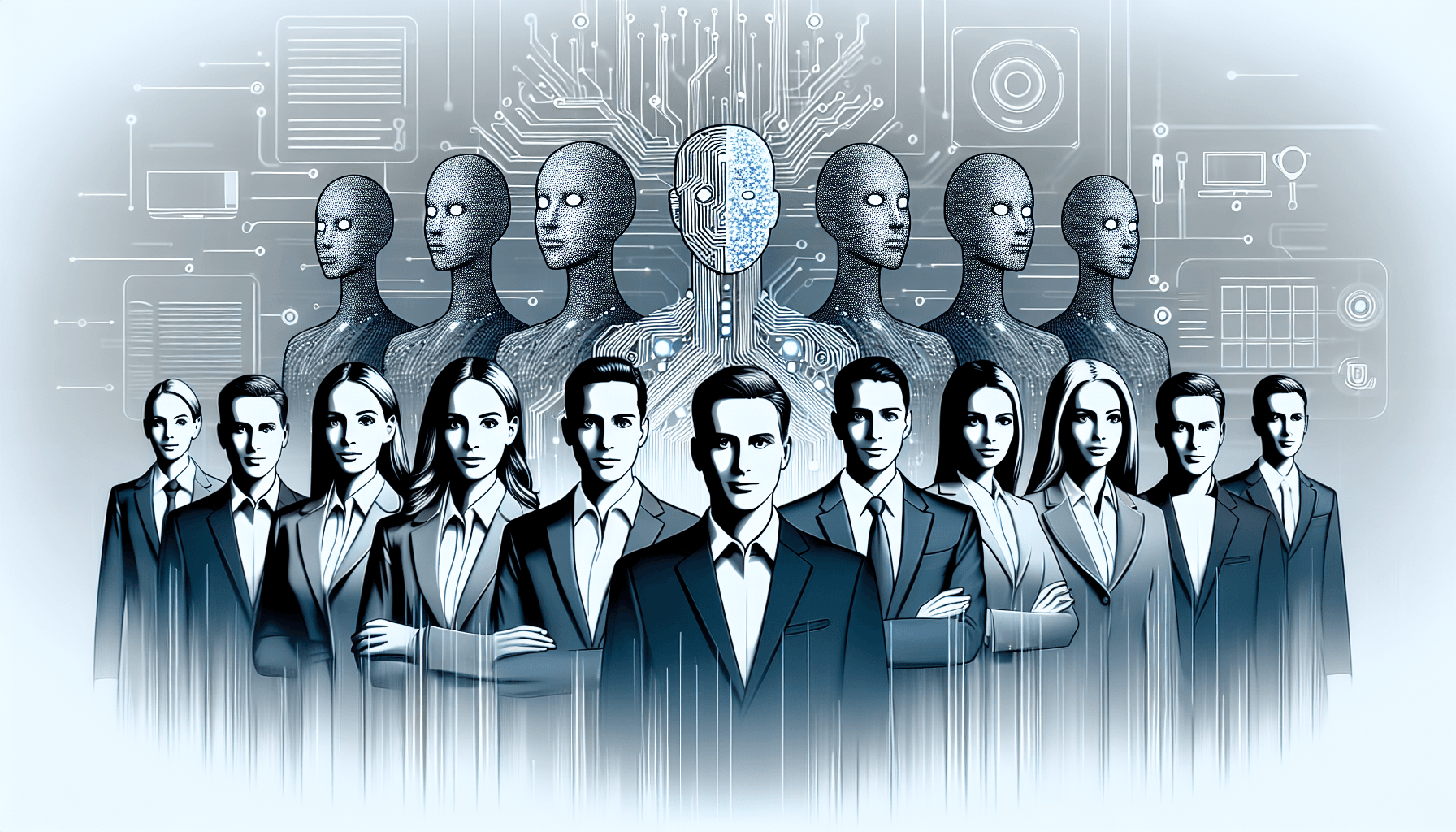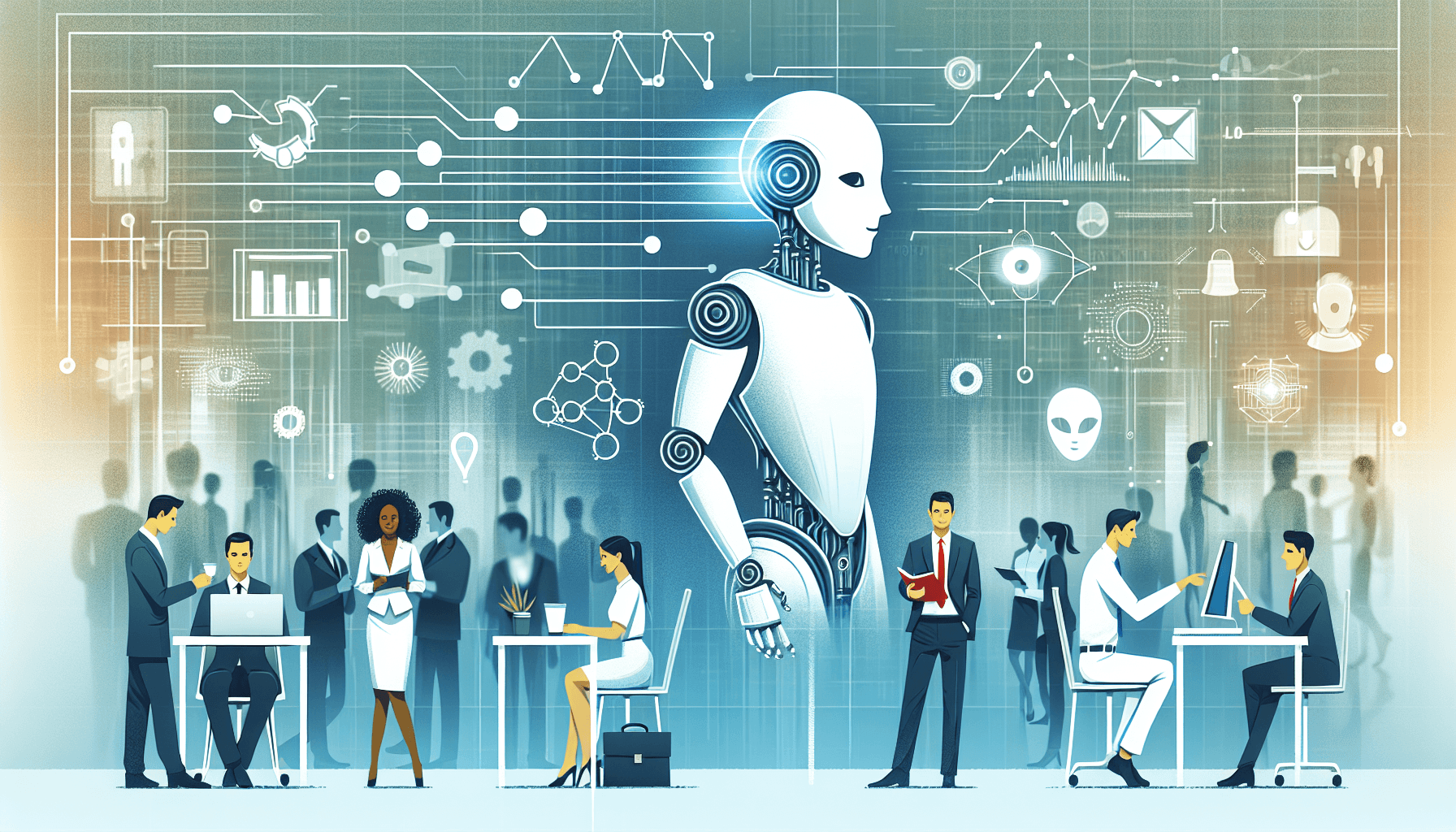
AI is moving fast, and many teams are feeling both excited and cautious. On one hand, generative AI, copilots, and automation tools are helping organizations draft content, summarize meetings, analyze data, and speed up routine work. On the other hand, employees are asking a fair question: will AI help me do better work, or will it replace me?
The most effective organizations are choosing a clear answer. They are building AI workflows that augment people instead of displacing them. That means using AI to remove repetitive tasks, improve decision-making, and free up time for higher-value work, while keeping humans in control of judgment, creativity, and accountability.
This approach is not just ethical. It is practical. As recent industry trends show, businesses are under pressure to do more with less, but they also face growing scrutiny around trust, transparency, and responsible AI use. Companies that treat people as partners in AI adoption are more likely to see long-term results.
Start with a people-first AI strategy
Ethical AI workflows begin with a simple question: what human problem are we trying to solve?
Too many AI initiatives start with the technology and work backward. A better approach is to begin with employee pain points and customer needs. Look for tasks that are repetitive, time-consuming, or prone to error. Good examples include:
- Sorting incoming requests
- Summarizing long documents
- Drafting first versions of content
- Extracting insights from large datasets
- Routing support tickets to the right team
These are areas where AI can save time without removing the human role. The goal is not to eliminate work, but to reduce low-value work so people can focus on strategy, relationship-building, and problem-solving.
Define clear human and AI roles
One of the biggest mistakes in AI workflow design is unclear responsibility. If people do not know what AI is responsible for and what humans must review, mistakes happen.
A strong workflow should define three things:
- What AI can do automatically
- What AI can suggest or draft
- What a human must approve
This is especially important in sensitive areas such as HR, finance, healthcare, legal services, and customer communications. In these settings, AI should support decisions, not make them alone.
For example, an AI tool might screen and categorize support tickets, but a human should handle escalation and sensitive conversations. A writing assistant might draft a proposal, but a team lead should review the final message for accuracy, tone, and client fit.
Build in transparency from the start
Ethical AI depends on trust, and trust depends on transparency. Employees should know when AI is being used, what data it relies on, and how outputs should be interpreted.
This matters more than ever as regulations and governance standards evolve. In many regions, organizations are now expected to document AI use, reduce bias, and explain high-impact decisions. At the same time, customers are becoming more aware of AI-generated content and more sensitive to authenticity.
To build transparency into workflows:
- Label AI-generated drafts internally
- Document data sources and limitations
- Explain when human review is required
- Keep audit logs for important decisions
- Share simple AI usage policies with employees
Transparency does not slow innovation. It makes adoption safer and more sustainable.
Use AI to expand skills, not narrow jobs
A strong ethical AI workflow should help employees grow. If AI only takes over tasks without creating new opportunities, it can lead to fear and resistance. But when AI is used to support learning, it becomes a career accelerator.
For example, AI can help junior team members by suggesting outlines, highlighting errors, or offering research summaries. This gives them a chance to learn faster while still building their own judgment. It can also support experienced workers by handling routine admin tasks so they can mentor others, lead projects, or solve more complex problems.
The key is to design AI as a co-pilot, not a replacement. When employees see that AI is helping them perform better, they are more likely to adopt it responsibly.
Watch for bias, accuracy, and overreliance
Ethical AI workflows need guardrails. AI systems can produce biased outputs, hallucinations, or overly confident answers. Even strong models can make mistakes if the input data is flawed or incomplete.
That is why every AI workflow should include review points. The level of review depends on the task, but common safeguards include:
- Human verification for critical decisions
- Bias testing before deployment
- Quality checks for sampled outputs
- Red-team testing for risky use cases
- Regular model and prompt updates
Another important risk is overreliance. When teams trust AI too much, they may stop questioning outputs. Encouraging employees to verify, challenge, and improve AI results is one of the best ways to protect quality.
Train employees, not just systems
Many AI projects fail because companies invest in tools but not in people. Ethical adoption requires training. Employees need practical guidance on how to use AI, where it fits, and where it should not be used.
It also helps to create internal champions. These are employees who can test workflows, share best practices, and help others build confidence. A culture of shared learning makes AI feel less like a threat and more like a useful workplace capability.
Measure success by human outcomes too
It is easy to measure AI by speed or cost savings. Those metrics matter, but they are not enough. Ethical AI workflows should also improve employee experience.
Track metrics such as time saved on repetitive tasks, employee satisfaction, error reduction, faster response times, increased time spent on high-value work.
If AI is making people more stressed, less engaged, or disconnected from their work, the workflow needs to be redesigned. The best systems make work better, not just faster.
The future of ethical AI is collaborative
The current AI trend is not just automation. It is human-AI collaboration. Organizations that embrace this shift are building stronger teams, better services, and more resilient operations.
Ethical AI workflows do not avoid innovation. They shape it with intention. They ask what people need, where AI helps, and where human judgment still matters most. That mindset leads to smarter adoption and healthier workplaces.
If you want AI to create value that lasts, start with people. Design for augmentation, add transparency, keep humans accountable, and measure what matters. That is how AI becomes a tool for progress, not a threat to the workforce.