In recent years, artificial intelligence (AI) has significantly transformed numerous industries, raising questions about the future of traditional software development. As AI technologies continue to evolve, many wonder if they will eventually replace conventional software solutions entirely. This blog post examines the potential and limitations of AI in replicating or even surpassing traditional software practices, providing insights into the current trends, challenges, and future possibilities in the tech world.
The Current Landscape of AI and Software Development
As of 2026, the integration of AI into software development is not just a trend; it's a reality shaping how companies create, deploy, and maintain software. Tools powered by AI can optimize mundane tasks such as code completion, bug detection, and code review, enhancing productivity and efficiency for developers. For example, AI-driven tools like GitHub Copilot and TabNine are increasingly popular among programmers for their ability to suggest code snippets and complete code lines, which speeds up the development process.
Moreover, AI frameworks and libraries such as TensorFlow, PyTorch, and OpenAI's GPT series are widely used for developing intelligent applications that require machine learning capabilities. These tools allow for advanced functionalities that were previously difficult to implement using traditional software methods alone.
Advantages of AI in Software Development
AI-driven solutions offer several advantages over traditional software, making them a valuable asset in various applications:
-
Enhanced Productivity: AI can automate repetitive tasks, allowing developers to focus on more complex and creative aspects of software development. Automation reduces errors and accelerates time-to-market for new products.
-
Better Decision-Making: By analyzing vast amounts of data, AI systems can provide insights and predictions that aid in decision-making processes. For instance, AI can forecast user behavior to refine software features and improve user experiences.
-
Cost Efficiency: Although initial AI implementation may be costly, over time, it can lead to cost savings by streamlining operations and reducing the need for human intervention in routine tasks.
-
Continuous Learning and Improvement: AI systems can learn and adapt from new data inputs, enhancing their capabilities and becoming more precise over time. This continuous improvement can lead to the evolution of software solutions that better meet user needs.
Challenges in Replacing Traditional Software with AI
Despite its potential, there are several challenges and limitations hindering AI from completely replacing traditional software development:
-
Complexity of Human Judgment: Software development often requires nuanced human judgment and creativity—qualities that are difficult for AI to replicate. Although AI can handle well-defined problems, it struggles with open-ended tasks that rely on human intuition and critical thinking.
-
Ethical and Privacy Concerns: With AI's immense processing power comes the responsibility to handle data ethically and protect user privacy. The use of AI in software development must adhere to strict ethical standards to prevent misuse or unintended bias.
-
Dependence on Data: AI systems rely heavily on data to function effectively. Limited or poor-quality data can lead to subpar AI performance, highlighting the ongoing need for high-quality data preparation and management.
-
Integration and Compatibility Issues: Integrating AI with existing systems and ensuring compatibility with legacy software can be challenging. Organizations may face hurdles in aligning AI technologies with their established infrastructure without disrupting current operations.
Future Trends: Collaborative Coexistence or Complete Replacement?
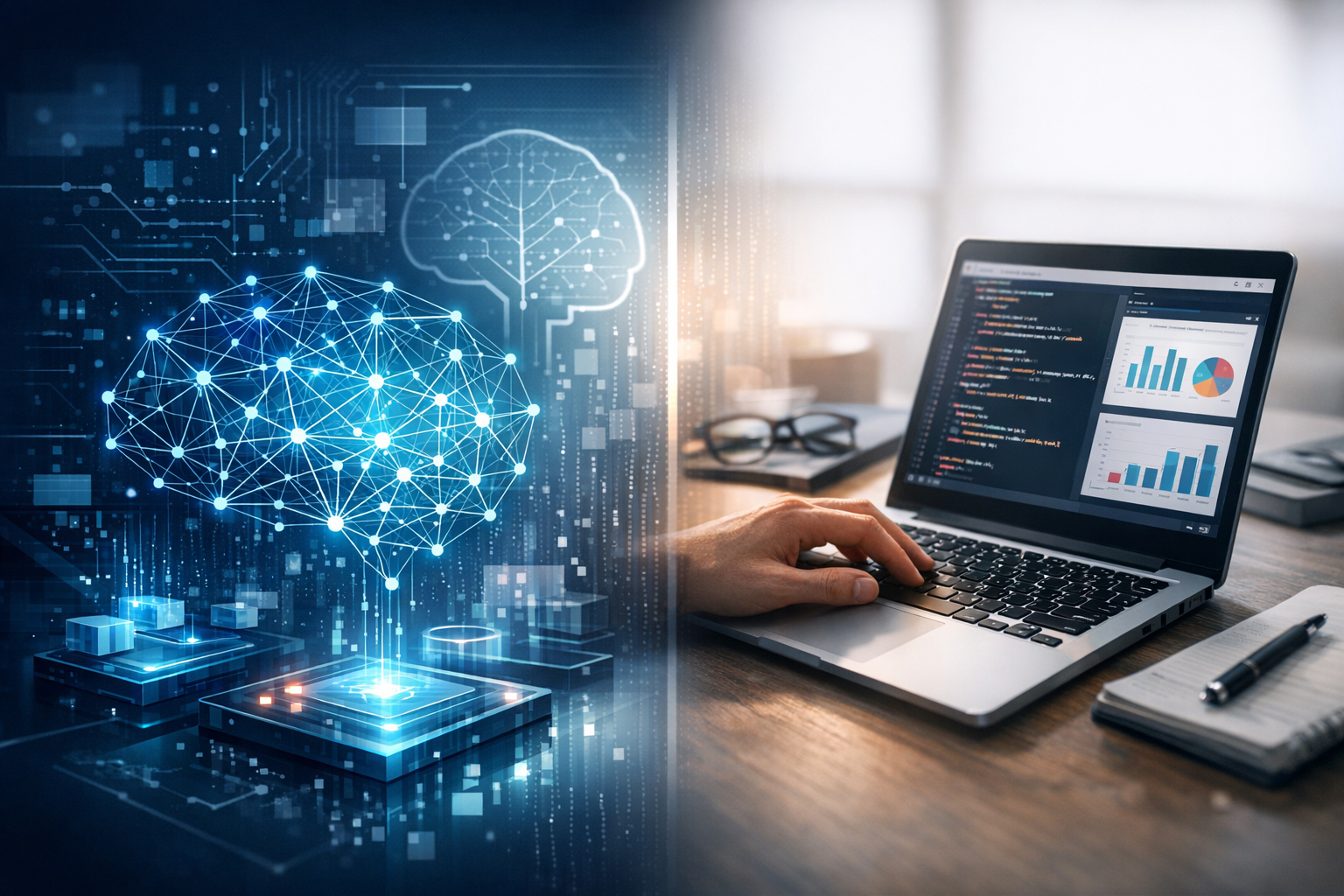
The question of whether AI will replace traditional software development is complex. Rather than an outright replacement, many experts foresee a future where AI and traditional software methodologies coexist, complementing and enhancing each other. Here are some trends to expect:
-
Augmented Development: AI will continue to augment the software development process, providing tools that enhance human capabilities rather than replace them. Developers will increasingly rely on AI-driven systems to handle routine code, allowing them to focus on innovative solutions.
-
Hyper-Personalization: AI will enable hyper-personalization in software, crafting applications that adapt to individual user preferences and behaviors in real-time, thus improving user engagement and satisfaction.
-
Autonomous Systems: In certain domains like autonomous vehicles and drones, AI is already pushing the boundaries of what is possible. These systems require sophisticated decision-making capabilities, exemplifying scenarios where AI can operate with a high degree of independence.
-
New Job Roles: As AI reshapes the software landscape, new job roles focusing on AI management, ethics, and integration will emerge. Developers will need to adopt new skills to thrive in a world increasingly dominated by AI technologies.
Conclusion
While AI will undoubtedly transform the face of software development, it is unlikely to replace traditional software practices entirely. Instead, AI will serve as a powerful tool that complements human ingenuity, leading to more efficient, innovative, and user-friendly software solutions. As the technology landscape continues to evolve, the most successful companies will be those that leverage the strengths of both AI and traditional software development to drive progress.
As we move forward, staying informed about the latest advancements in AI and understanding its implications for software development will be crucial for businesses and professionals looking to remain competitive in the digital age. The future promises a collaborative relationship between AI and human developers, crafting new possibilities and paving the way for groundbreaking innovations in the software industry.