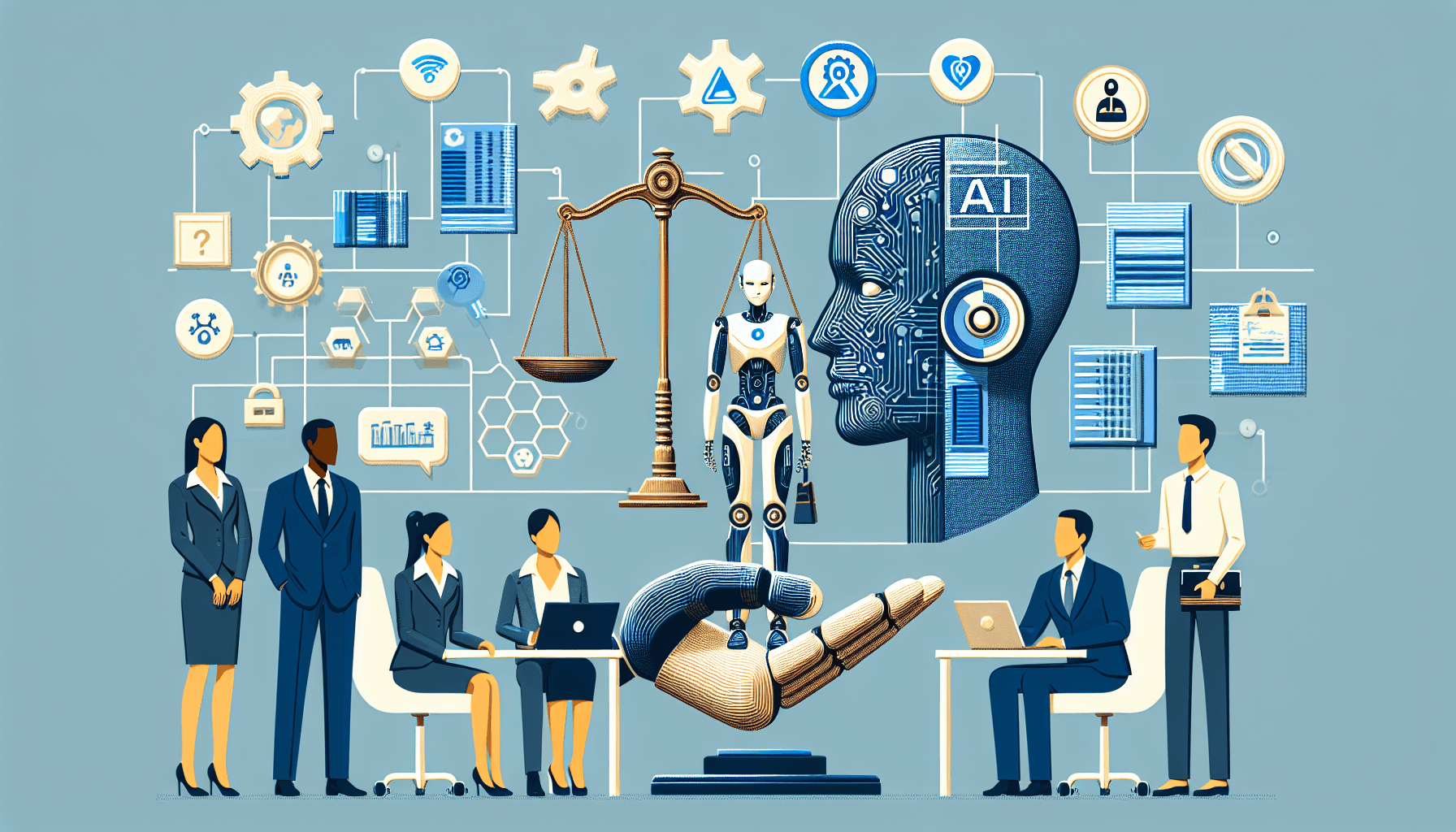
Why Ethics Are a Key Consideration When Planning Your AI Strategy
Artificial Intelligence (AI) is transforming industries, streamlining operations, and enabling new levels of innovation. Businesses worldwide are creating AI strategies not only to remain competitive but also to meet evolving customer and stakeholder expectations. However, as AI proliferates, so does the responsibility to ensure its adoption is safe, fair, and aligned with societal values. That’s why ethics have become a critical consideration when planning your AI strategy.
In this blog post, we’ll explore why ethics matter in AI, how ethical considerations impact business outcomes, and practical steps for incorporating ethics into your AI strategy.
The Growing Power—and Risk—of AI
AI systems are increasingly involved in decisions affecting everything from medical diagnoses to financial outcomes, hiring decisions, content moderation, facial recognition, and more. While AI offers incredible potential, it also introduces risks:
- Bias and discrimination: AI can reinforce or even amplify human biases present in training data.
- Loss of privacy: AI applications often rely on vast datasets, raising concerns over data privacy and surveillance.
- Lack of transparency: Many AI models (especially deep learning) function as black boxes, making it difficult to understand their reasoning.
- Autonomous decision-making: As AI systems gain autonomy, ensuring they act responsibly and predictably becomes challenging.
These issues underscore why ethical considerations can’t be an afterthought—they must be foundational to any AI strategy.
Why Ethics Are Essential in AI Strategy
1. Building Trust with Users and Stakeholders
Consumers, employees, regulators, and partners are increasingly aware of AI’s capabilities—and its potential pitfalls. Mishandled AI can erode trust quickly. For instance, if users discover your AI discriminates in hiring or misuses their personal data, your brand’s reputation could suffer irreparable harm.
A transparent and well-communicated ethical AI strategy demonstrates your commitment to fairness and user rights, helping to earn and retain trust.
2. Ensuring Regulatory Compliance
Governments and regulatory bodies across the globe are rolling out AI-specific guidelines and laws. The European Union’s AI Act, GDPR, and various guidelines from the OECD and ISO are clear indicators that ethical lapses can have legal repercussions.
By embedding ethics into your AI roadmap, you reduce the risk of compliance failures, costly fines, and legal entanglements.
3. Mitigating Risk and Protecting Your Brand
AI failures, bias scandals, or privacy breaches have led to high-profile lawsuits and public backlash. These risks can translate into direct financial costs and long-term reputational damage. An ethical AI framework enables you to predict and manage potential hazards before they escalate.
4. Building Competitive Advantage
Ethics isn’t just about damage control—it’s a differentiator. As more companies compete in the AI-powered future, demonstrating ethical leadership attracts customers, investors, partners, and top talent. Companies like Microsoft and Google are actively vocal about responsible AI, which bolsters their public image and encourages stakeholder confidence.
5. Driving Innovation with Purpose
An ethical AI strategy doesn’t stifle innovation—when implemented well, it actually fosters more thoughtful, creative, and impactful AI solutions. By considering ethics, your teams are encouraged to ask important questions and create responsible technologies that address real-world needs.
How to Integrate Ethics into Your AI Strategy
1. Establish Clear Ethical Principles
Define what ethical AI means to your organization. Principles may include fairness, accountability, transparency, privacy, and inclusivity. Consult existing frameworks, such as the OECD AI Principles or AI Ethics Guidelines from the European Commission, but tailor them to fit your unique context.
2. Create a Diverse, Multidisciplinary AI Governance Team
Diversity in teams helps surface ethical blindspots you might otherwise miss. Include members from various backgrounds—ethics experts, legal advisors, technologists, business leaders, and even end-users—to oversee AI strategy development and deployment.
3. Embed Ethics into the AI Lifecycle
From data collection and model development to deployment and monitoring, enforce ethical guidelines at every stage:
- Data: Ensure data is sourced legally, represents diversity, and is anonymized where necessary.
- Model design: Test for bias, fairness, and transparency.
- Deployment: Regularly audit systems, solicit user feedback, and maintain accountability processes.
4. Maintain Transparency and Explainability
Develop processes to document AI decisions, provide clear explanations for outcomes, and enable external audits. Tools like model cards and explainable AI (XAI) techniques help demystify AI decisions for users and regulators alike.
5. Continually Monitor and Update Ethical Standards
AI and society are evolving. Regularly revisit your principles, practices, and technologies. Establish feedback loops, listen to affected communities, and remain open to change when new ethical challenges arise.
Real-World Examples of Ethical AI in Action
- IBM's Watson Health: IBM has worked to ensure its healthcare AI platforms are transparent and evidence-based, with clear accountability guidelines for use by medical professionals.
- Microsoft's Responsible AI Principles: Microsoft incorporates fairness, reliability, privacy, inclusiveness, transparency, and accountability into all stages of its AI development lifecycle.
- OpenAI's Charter: As an organization at the forefront of AI research, OpenAI openly shares its commitment to safe and broadly beneficial AI.
Conclusion
Ethics aren’t a roadblock—they’re the foundation for successful, sustainable AI. When you put ethics at the heart of your AI strategy, you not only avoid pitfalls, but also gain a competitive, regulatory, and reputational edge. As AI continues to permeate every sector, an ethical approach will define industry leaders in the years to come.
Ready to create an AI strategy built on ethical principles?
Contact us to explore how we can help your organization leverage AI responsibly and effectively.
If you found this article helpful, don’t forget to share it with your colleagues or follow us for more insights on AI strategy and ethics.